
Denver Botanic Gardens
Enjoying some soft lens photography.

Note: This is a longer article with lots of pictures, you will get the best viewing experience in the app or via the webpage.
We are still getting settled back in after a long trip back to Colorado. It was nice to get the quality time with friends and family, as well as take care of a few administrative things. I also got the opportunity to go fishing with my father at the wonderful Abaco Lodge in the Bahamas.
I took my camera on this trip to Colorado with the primary intention of only using it in the Bahamas while fishing. While Colorado has many wonderful things to photograph (I have photographed many of them), I knew it was unlikely that venturing off specifically to go shooting was going to be a priority of this trip, but when the opportunity to go to the Denver Botanic Gardens came up, I certainly was going to take the camera. I had lived in Colorado for seventeen years and had never been there before!
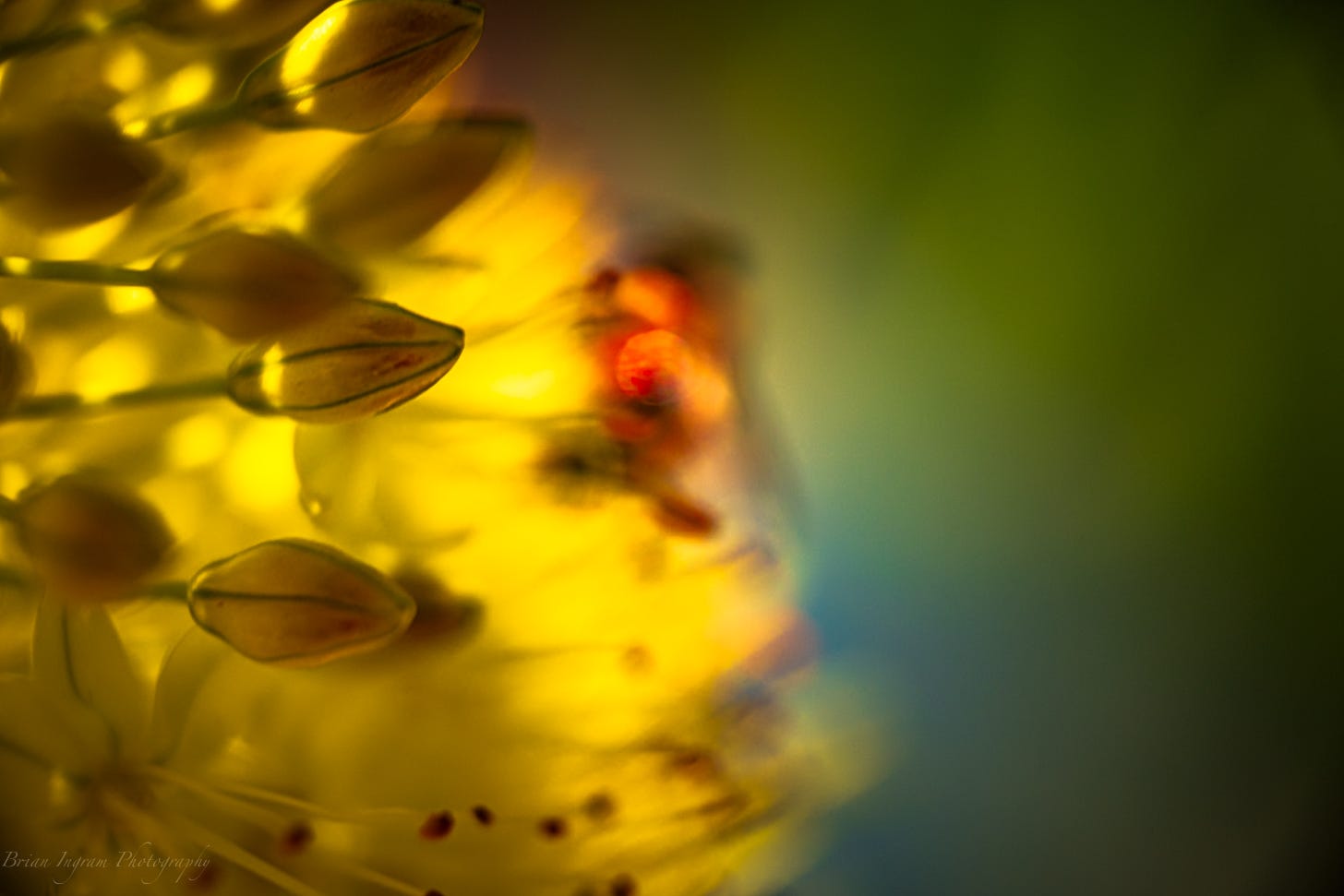
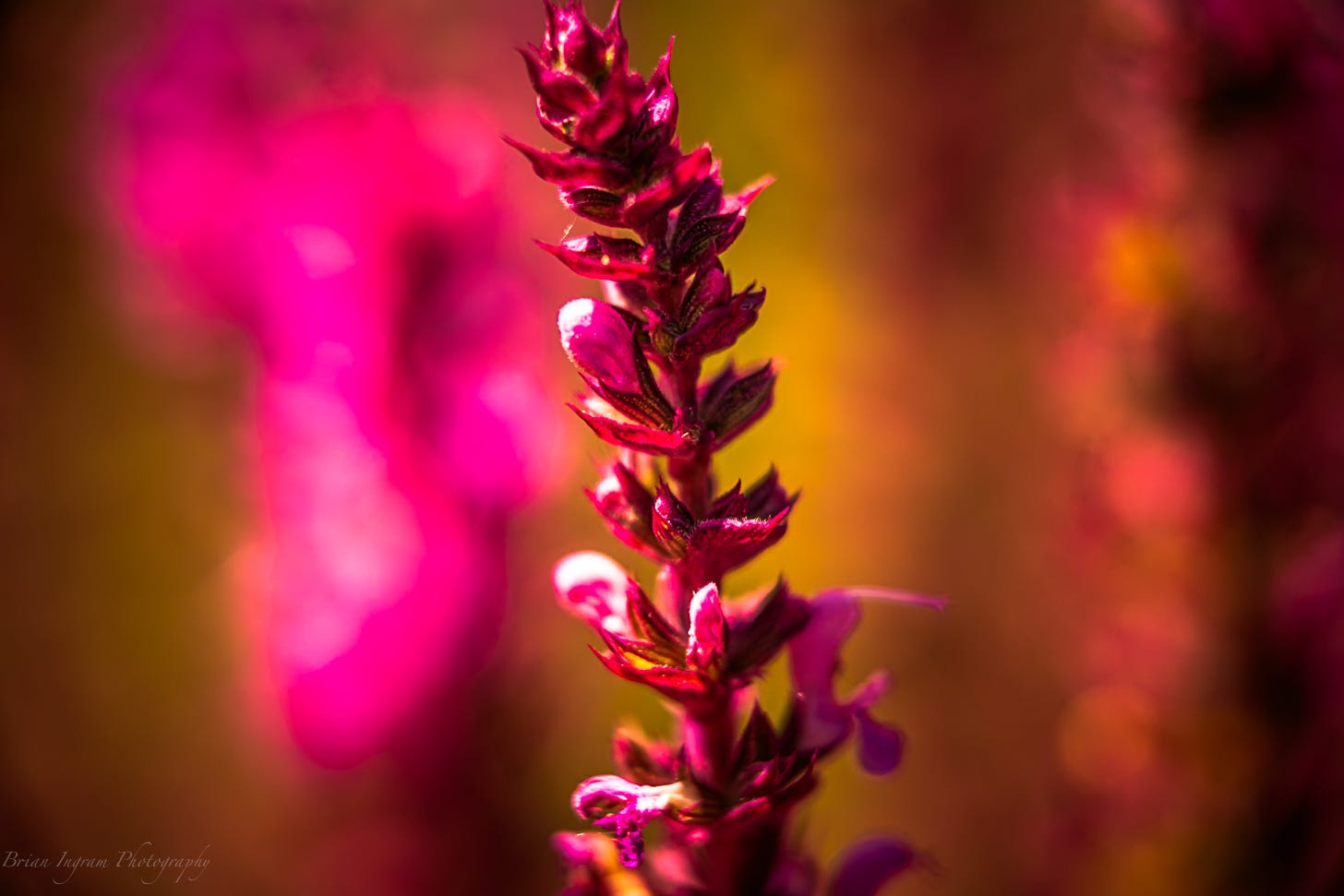
Years ago I had tested out various advanced point and shoot cameras from Canon, Sony, Olympus, etc…. As part of that testing I had purchased a bulky and heavy screw on 10x Macro lens. It was NOT a sufficient macro lens for my needs, but probably would have satisfied a casual consumer’s needs for up close snapshots. The lens had terrible distortion around the edges and was not the sharpest, even when used with manual focus. It was by all means a mediocre solution for cameras that did not have the ability to have dedicated Macro lenses.
So why when I chose to lock in on the Fuji X100 series cameras did I purchase a 72mm threaded version of the same sub par macro lens? What makes the lens less than satisfactory for 90% of what I shoot is what makes it perfect for some percentage of that other 10%. The softer focus and lens distortion allow for creativity and beauty at a time when it seems that the photography industry is focused on crazy high resolution, exactingly sharp, hyper dynamic range, and less on the joy and wonder of photographic creativity.
So, let’s jump into the images. These are initial run edits, so they are incomplete and are likely to change before the image is finished and ready for the collections.
There was a wonderful outdoor exhibit being shown at the Botanic garden while we were there, A New Humanism by Spanish artist Jaume Plensa. The work features two massive wireframe sculptures of a woman and child’s heads beautifully displayed in a reflecting pool.


The wireframe structure of the work posed a bit of a challenge to photograph “casually”, but I was still able to get a few interesting images of the work. Often times it was more reliable to focus on the reflection of the work in the water right at its base rather than try to get the camera to focus on the wire framing itself. I imagine the artist intends for the work to be viewed under artificial light in the evening or nighttime when the wire frame would capture the light in a more controlled manner, but it was lovely even during the day.
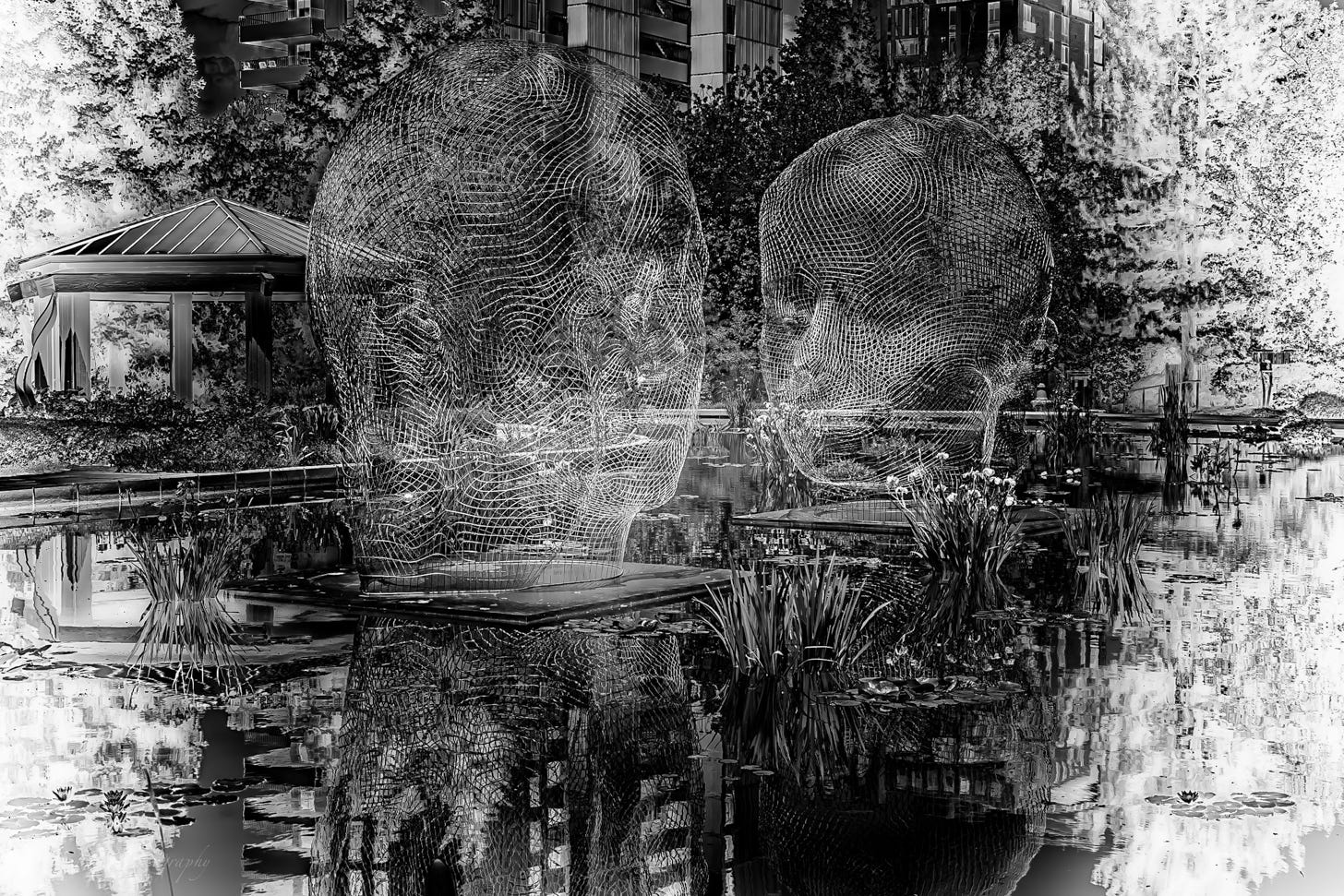
I did a custom black and white treatment on this one just to see what it would look like. Looks like a poster advertisement or something for the exhibit.
There were a number of well maintained shallow pool structures throughout the gardens. I was surprised to learn that they dye the water black, but in hindsight, it makes a bit of sense esthetically speaking to have it so that you don’t see the bottom of the pools.
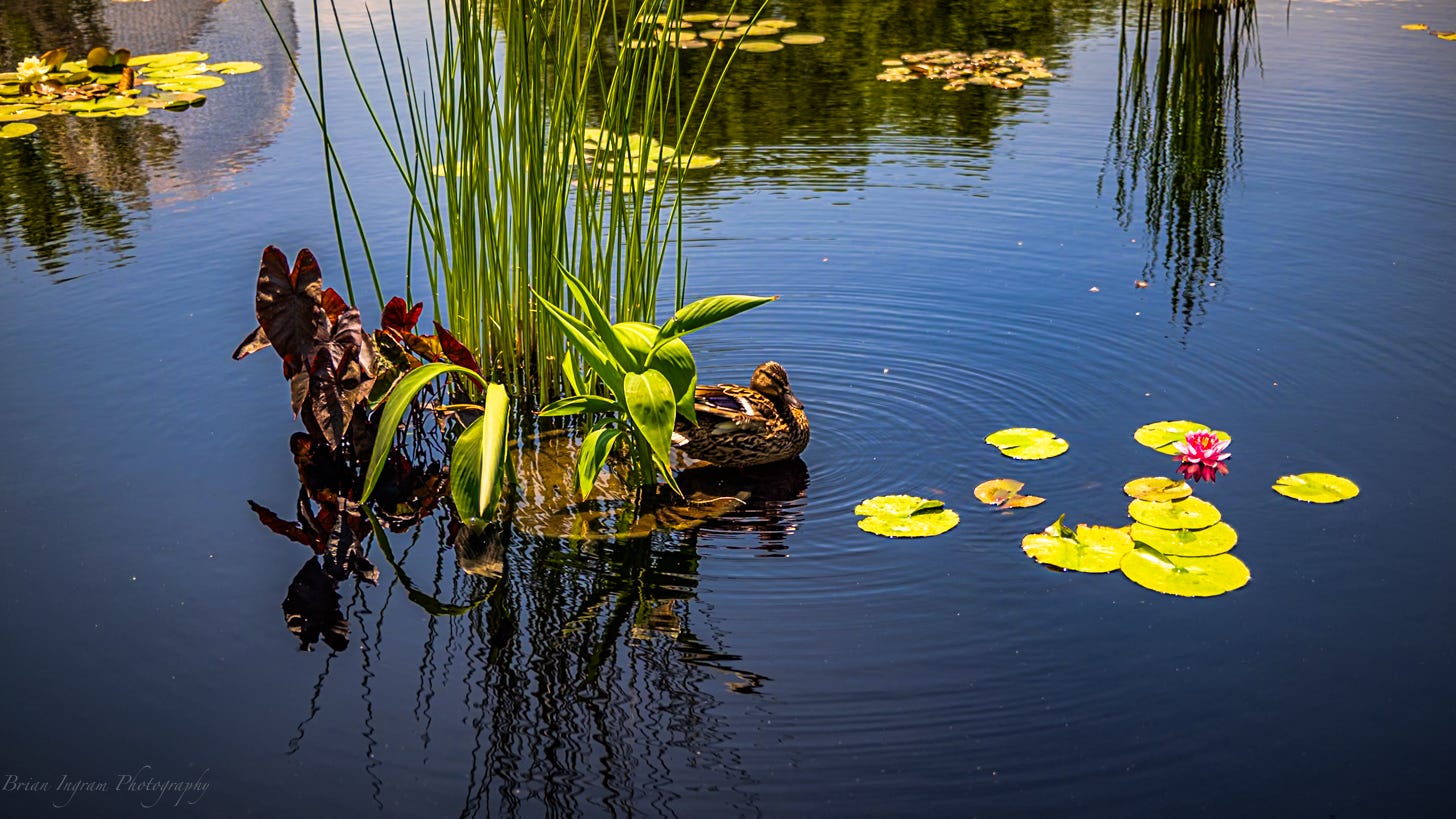
Nothing really significant about this image except that it is quite nice and peaceful.


Photographically speaking the black dye in the water makes for great photos. Reminds me of the dark waters of the Ibera wetlands in northern Argentina. Some of my favorite images were taken of vegetation in those naturally dark waters.
Aside from the beautifully maintained plants and flowers (we will get to those images in a little bit), the gardens had some other items I noticed as we were meandering through them.


This ivy looking iron fencing was quite lovely to see and photograph, though it was a little difficult to get the right angle and focus on it. The texture and patterns of the metal was really interesting, though I was not sure it would come out well. As much as I liked the color, I actually prefer the black and white one.
There was a quiet and peaceful little Japanese garden area that has a wonderful classic asian style, middle split, circular wooden door. The coloring, texture, and patterns of the wood on the framing of this large door was pretty impressive.


Even thought the wood had deep rich coloring that was quite lovely, and part of what caught my eye in the first place, I chose a black and white treatment to better reveal the textures and patterns of the wood grain, as well as to focus the viewer on the archway separating the wood framing from the lush green vegetation beyond.
There was also a small wooden structure in this area with bells of different sizes in it. I was not certain if these were just for show or actually rang from time to time, but they looked amazing, and I would assume they sounded equally.
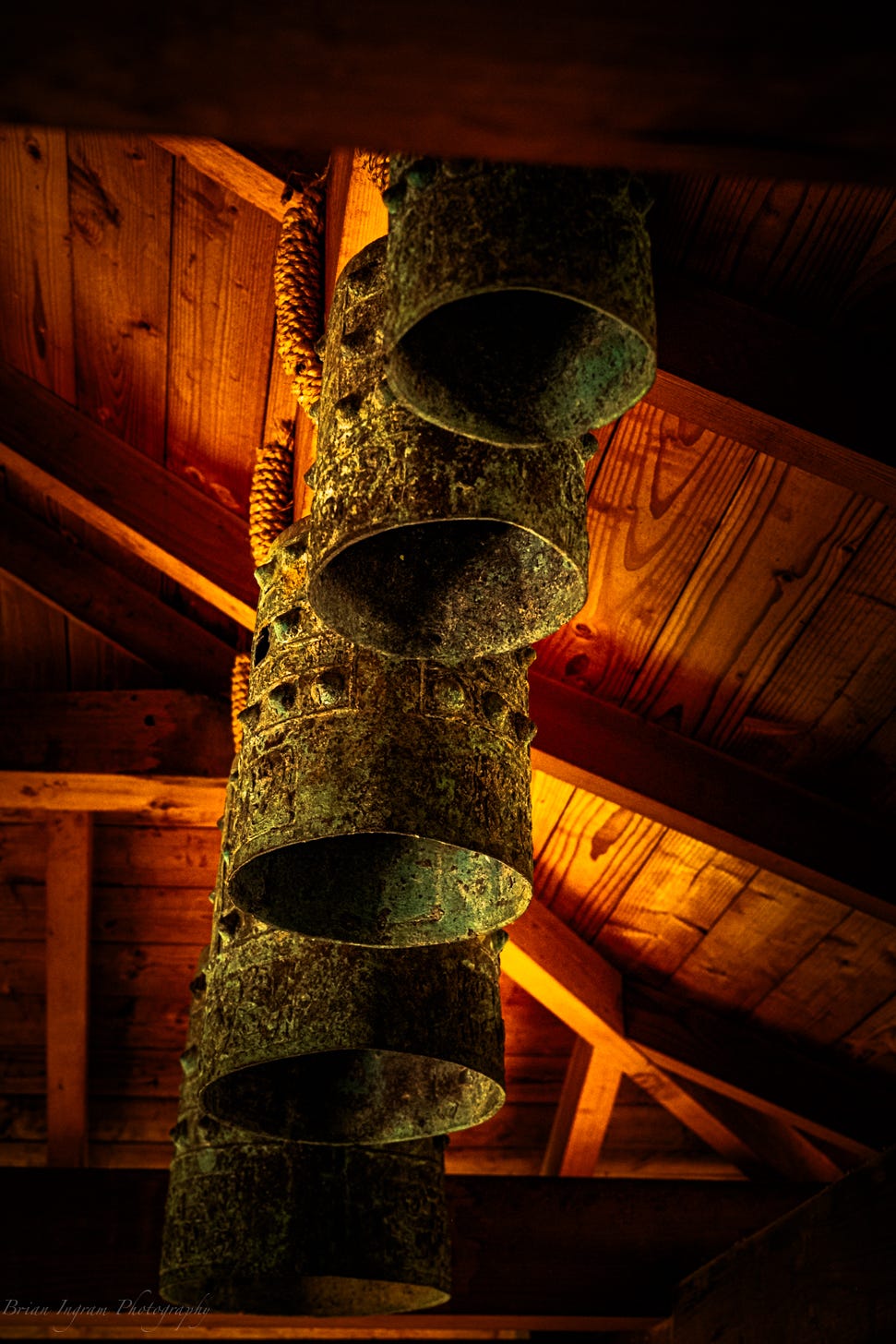
I started with a pretty standard color treatment for this image because while it does have the same interesting woodgrain and color patterns in it that the entry way door frame had, I really liked the color and texture of the surface of the bells and the contrast they provided to the surrounding wood. I felt like a black and white treatment took something away from the textures of the bells.
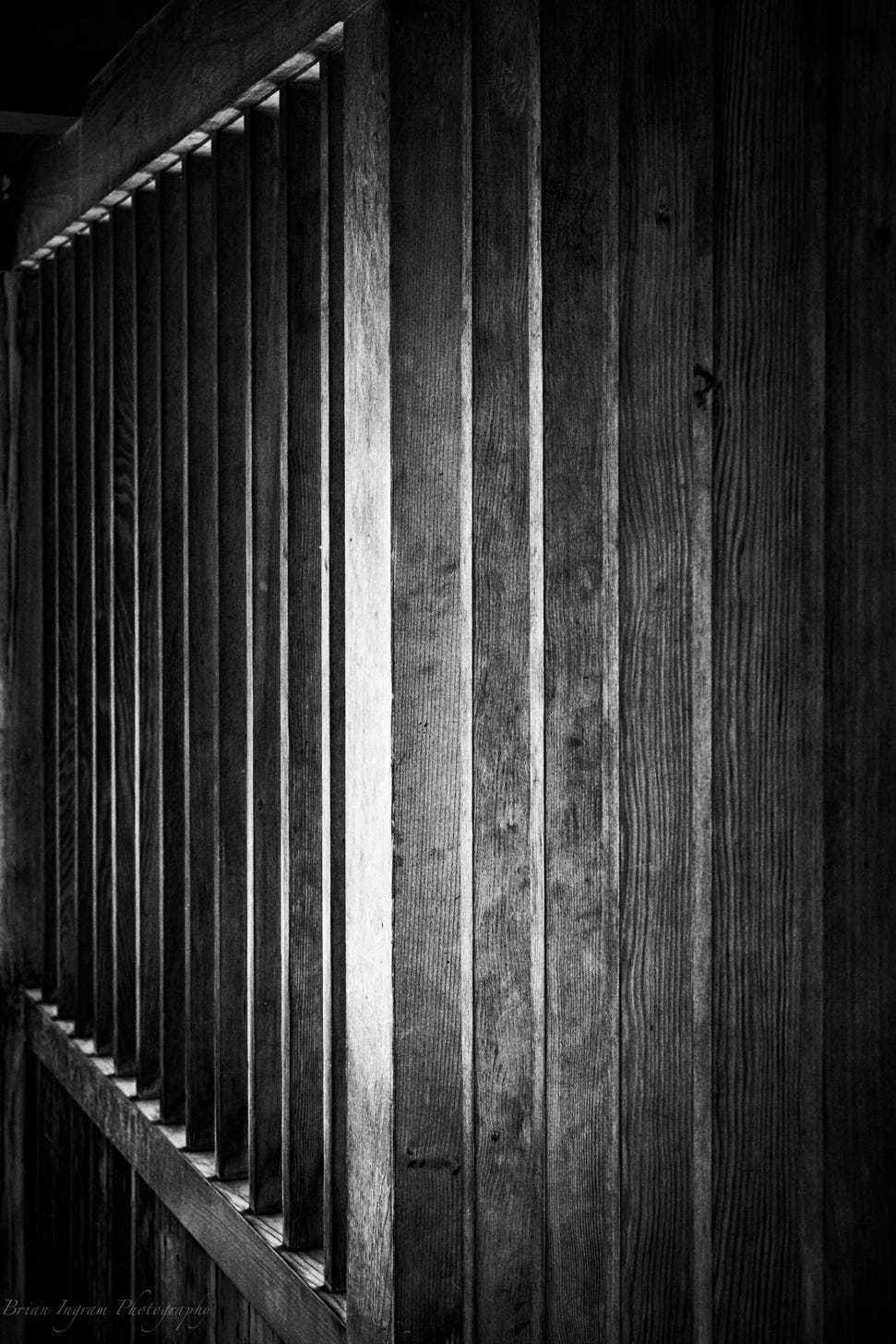
Underneath these bells on the back wall of this little structure was a slatted wall. The slats were angled to prevent direct line of sight in or out of the structure, allowing for a minimal amount of privacy. The light coming through the slats was interesting to photograph, trying to get the right angle so that you don’t see the light coming through them, but the tiniest amount of light reflecting off the flat edge of the boards.


Always on the lookout for interesting textures and patterns, these are a sample of the ones I thought were the most compelling. The wood and the water droplets were both captured using the screw on macro lens I mentioned earlier so they are a little softer and blurred at the edges. Usually I like to keep the color in a water droplet shot sense the droplets usually have a nice amount of reflected color in them, but this time I went with a higher contrast black and white treatment to give them an almost metallic look. The vines on the wall will likely make an interesting color image as well, but this is the one I tried first. I like the balance between the lighter wall and the darker ivy, as well as the nice framing of the ivy around the edges.
Although the plants and flowers were the primary attraction, and I do love shooting plants and flowers, there was another attraction among the flowers that ultimately captured a large portion of my attention, the bees.
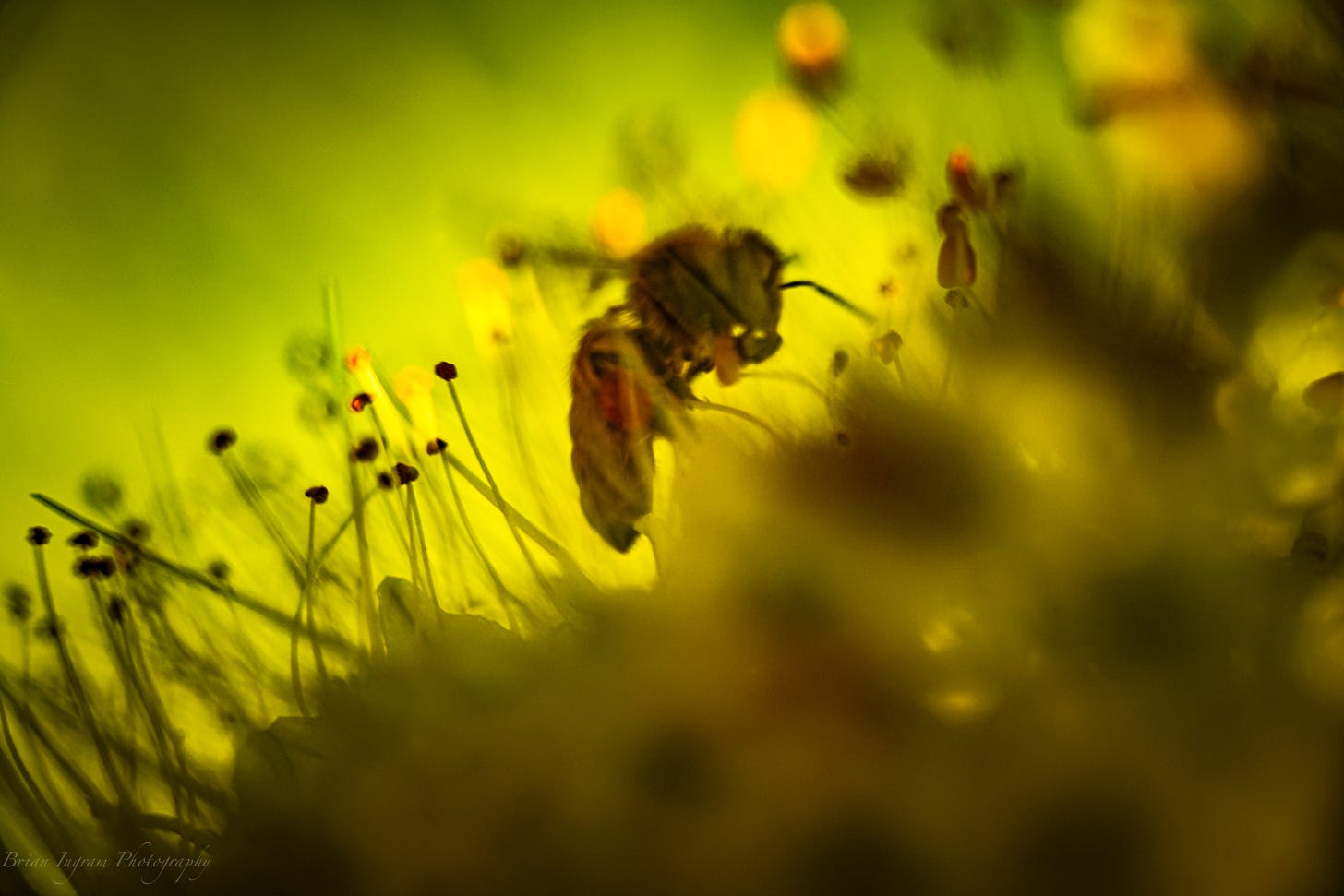


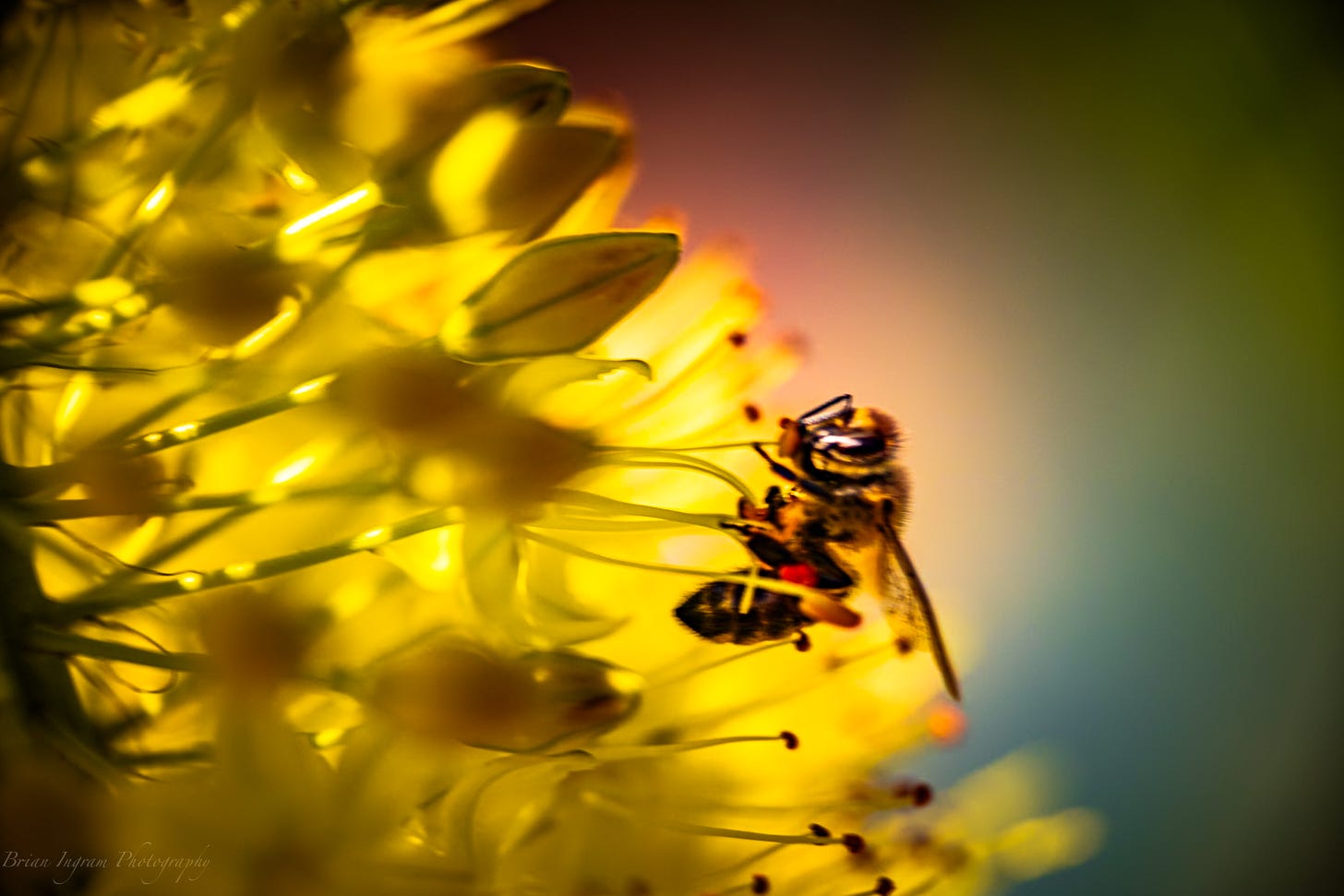
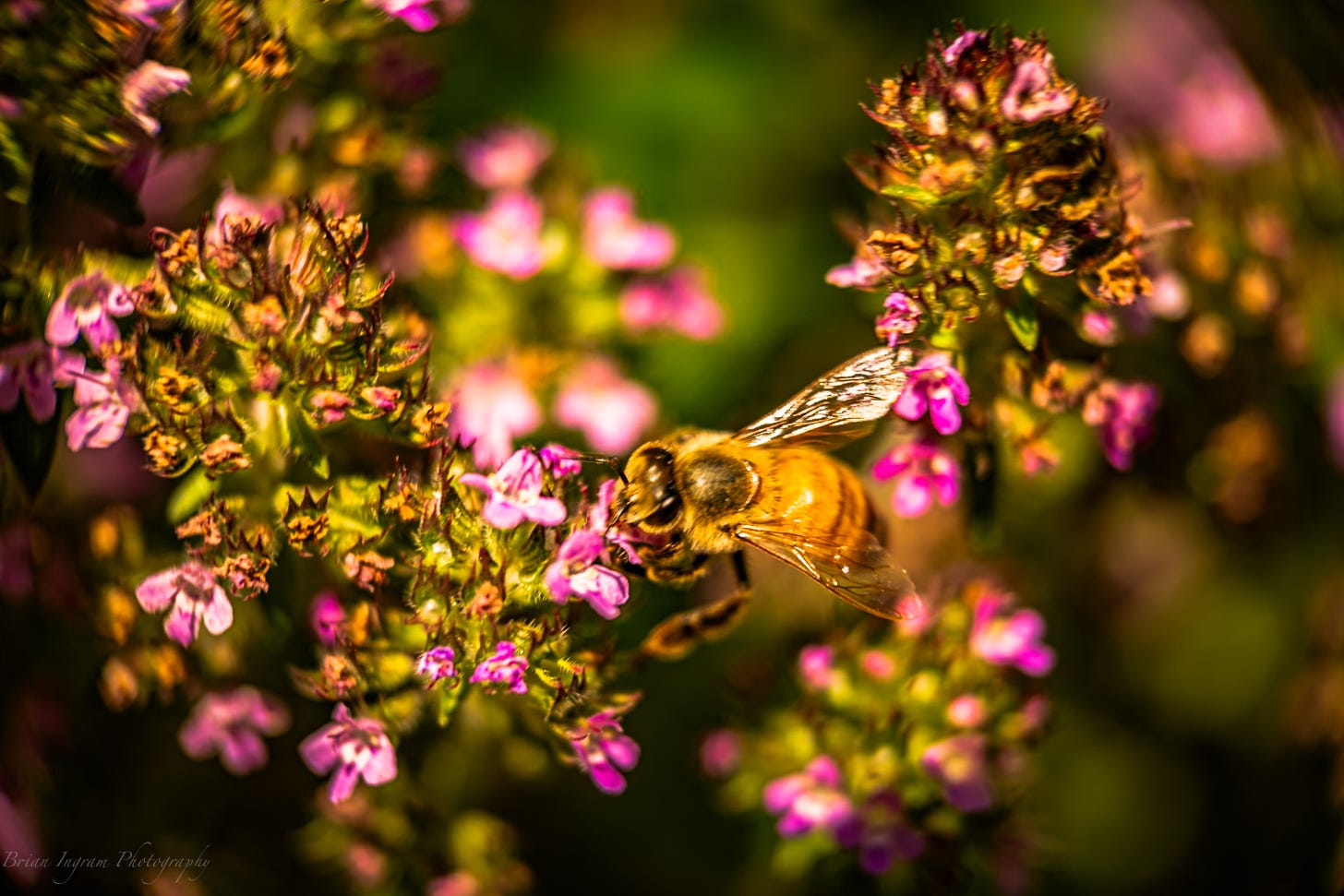
I really enjoy photographing bees, much more so than other insects, probably because although they are not soft and cuddly, we often grow up with bee themed stuffed animals and friendly characters on cartoons and in stories. Wasps and other flying insects, on the other hand, just don’t give off that friendly fluffy feel. It is especially nice to photograph them when they are so preoccupied with an abundance of flowers to visit that they really couldn't care less about what I am doing.
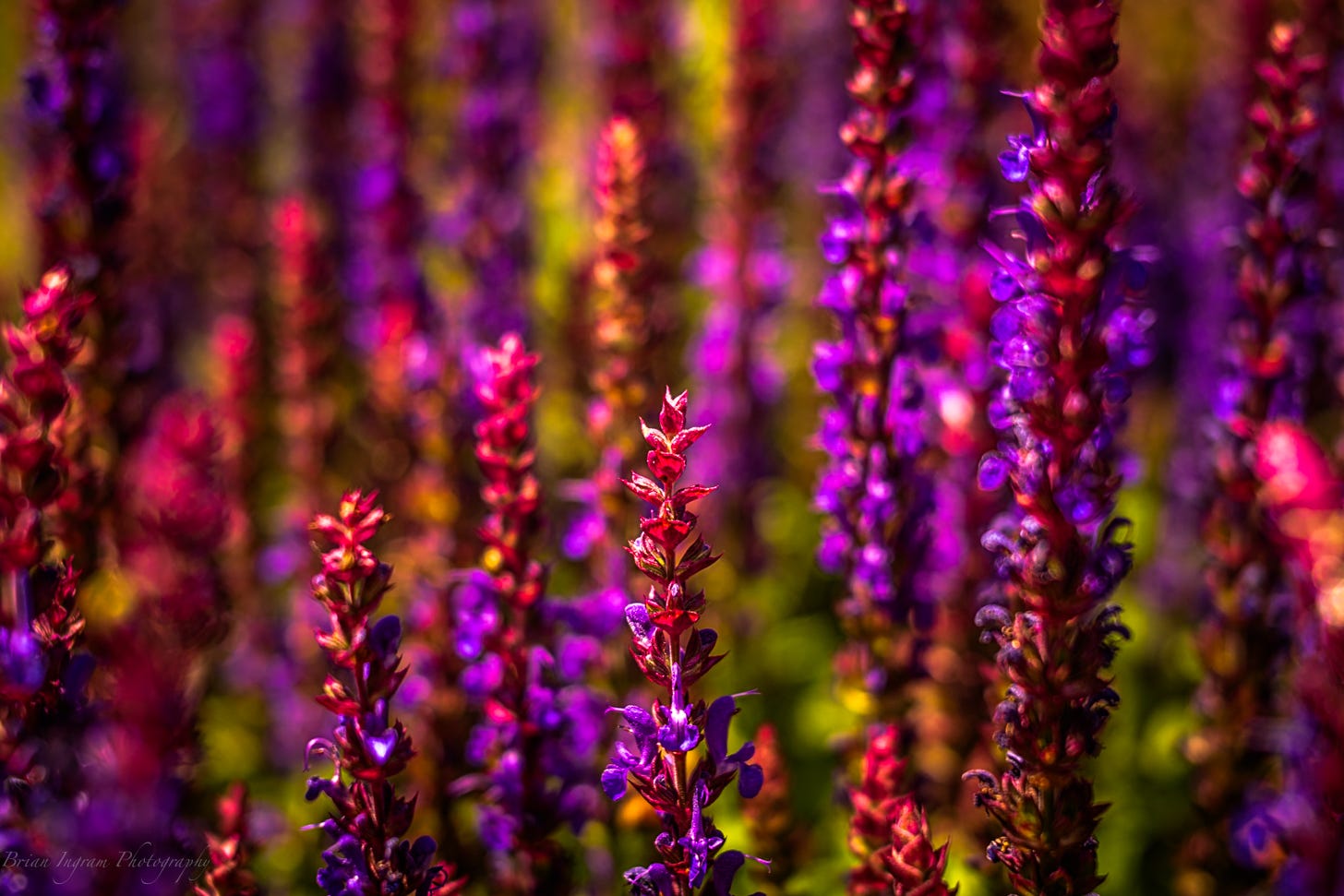
I also really enjoy shooting flowers up close and with a macro lens. To me it feels the closest to being able to photograph another world as I will likely get. The imagination and creativity can really be free to present the details and structures of these, sometime tiny, natural machines in so many beautiful ways.




Well, that does it for the highlights from the Denver Botanic Garden images. They will likely be tweaked some before being put in collections for high resolution posts, but if you read any of my other posts about my organizational structure and workflow, you know that I will have these images, as they are in this post available if anyone wants one just the way it is today.
As always, hope you have enjoyed the images and my ramblings. If you did, consider supporting the work, by subscribing and sharing with others that may enjoy this as well.
Thanks,
Brian